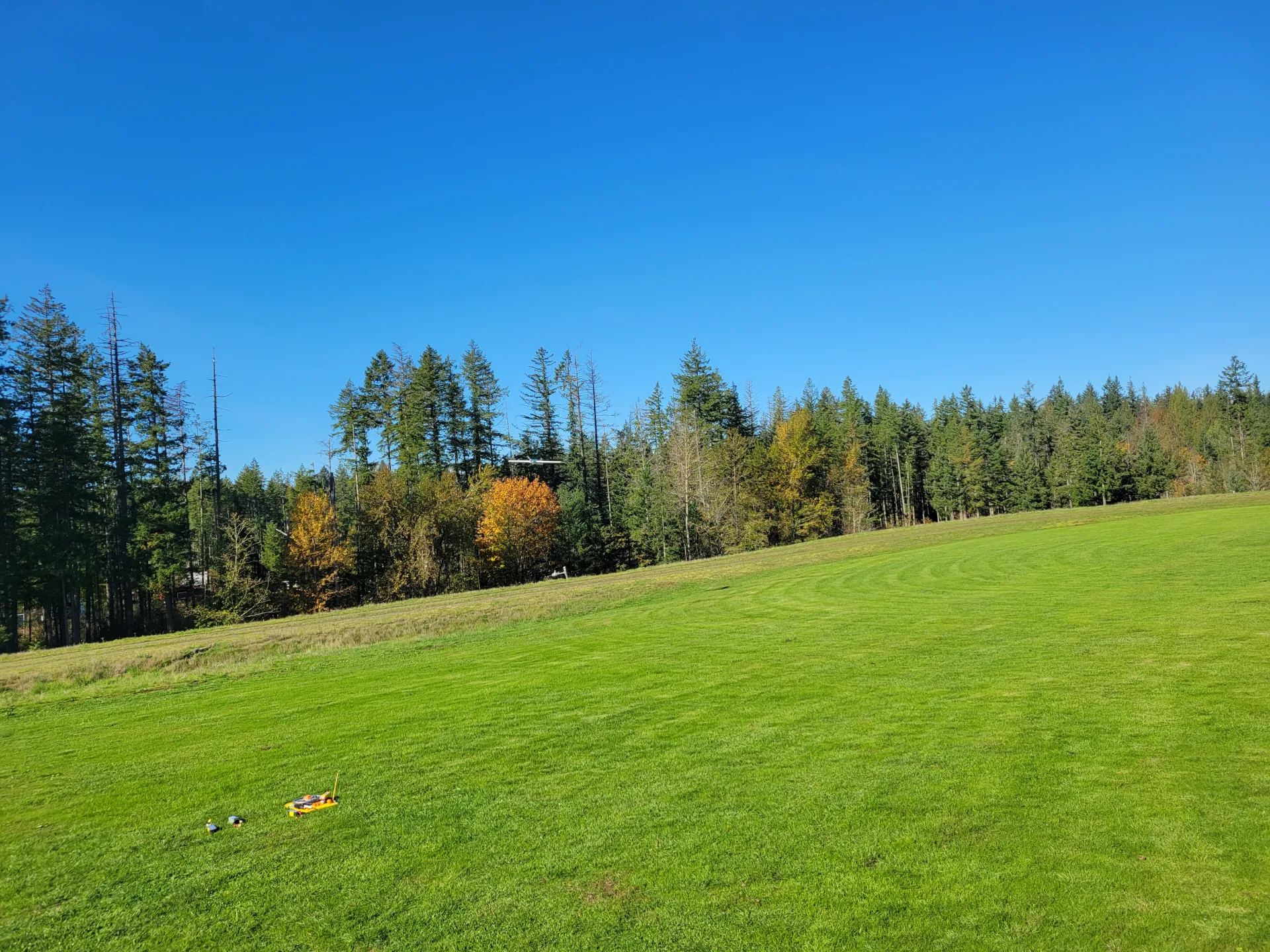
Marlow Anderson Field • Hobart, WA

Lake Sawyer Hawks

A welcoming community of RC pilots with a great field and a strong safety culture. New to the hobby? We’ll help you get comfortable and get in the air.

Getting Started

New to RC? Start here. We’ll help you choose the right gear, learn on a simulator, and fly safely at the Lake Sawyer Hawks field.

New to RC? Start here.

Your Path from “Curious” to “Solo Flight”

We’ll help you choose the right gear, learn on a simulator, and fly safely at the Lake Sawyer Hawks field. Show up with questions — leave with a plan.

Typical Startup Cost
$120 – $500
Plane, radio, batteries & charger
Time to First Solo
4–6 sessions
With regular flying & sim time
Club Support
Free instruction
Buddy-box training & advice

Four Simple Steps to Get Airborne

You don’t need to buy anything before talking with us.

1
Visit the Field

Drop by during a flyable day and introduce yourself. Watch a few flights, ask questions, and see what type of models catch your eye.

2
Try a Simulator

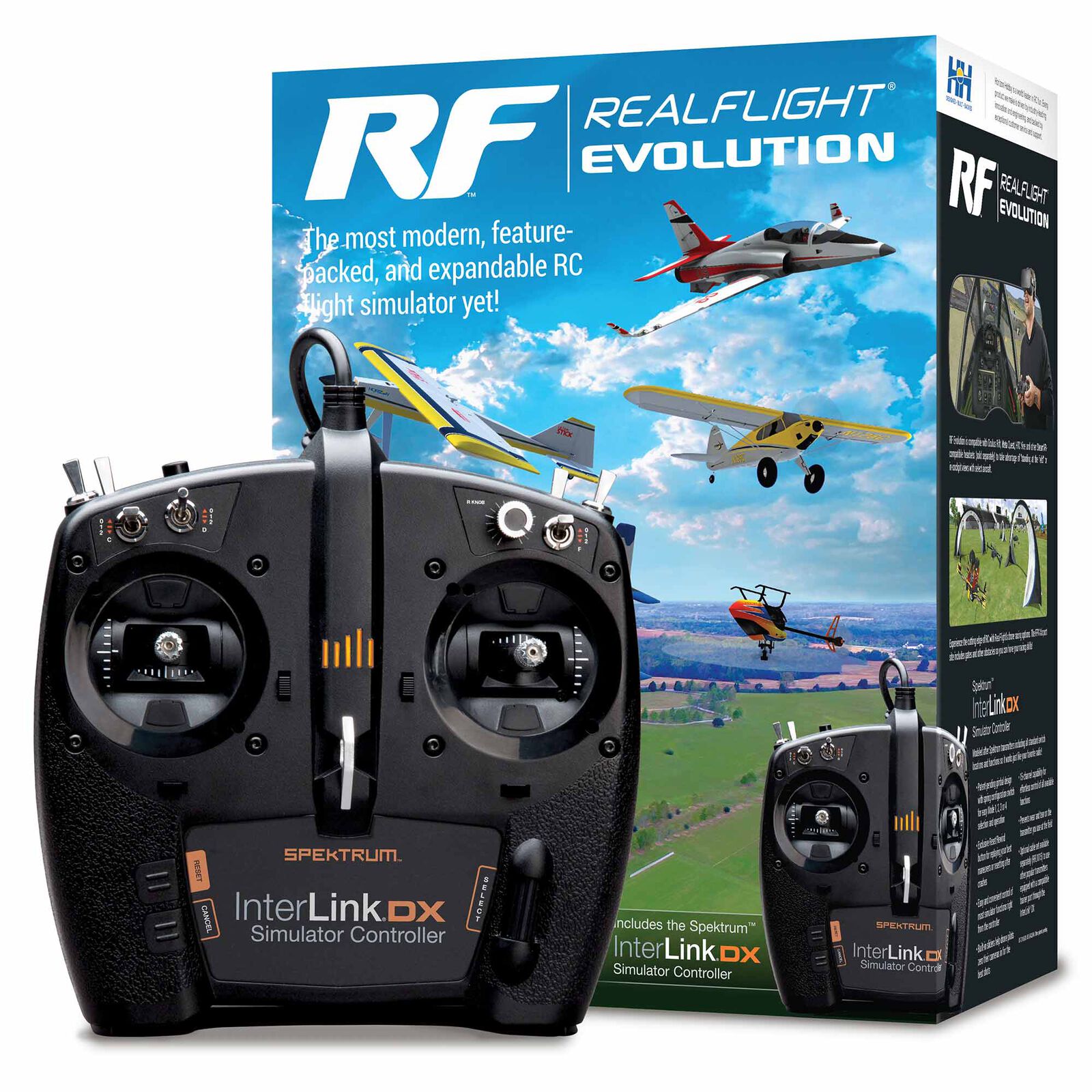
Practice takeoffs, turns, and landings at home with a desktop simulator like RealFlight — it saves planes and speeds up your learning curve.

3
Choose a Trainer

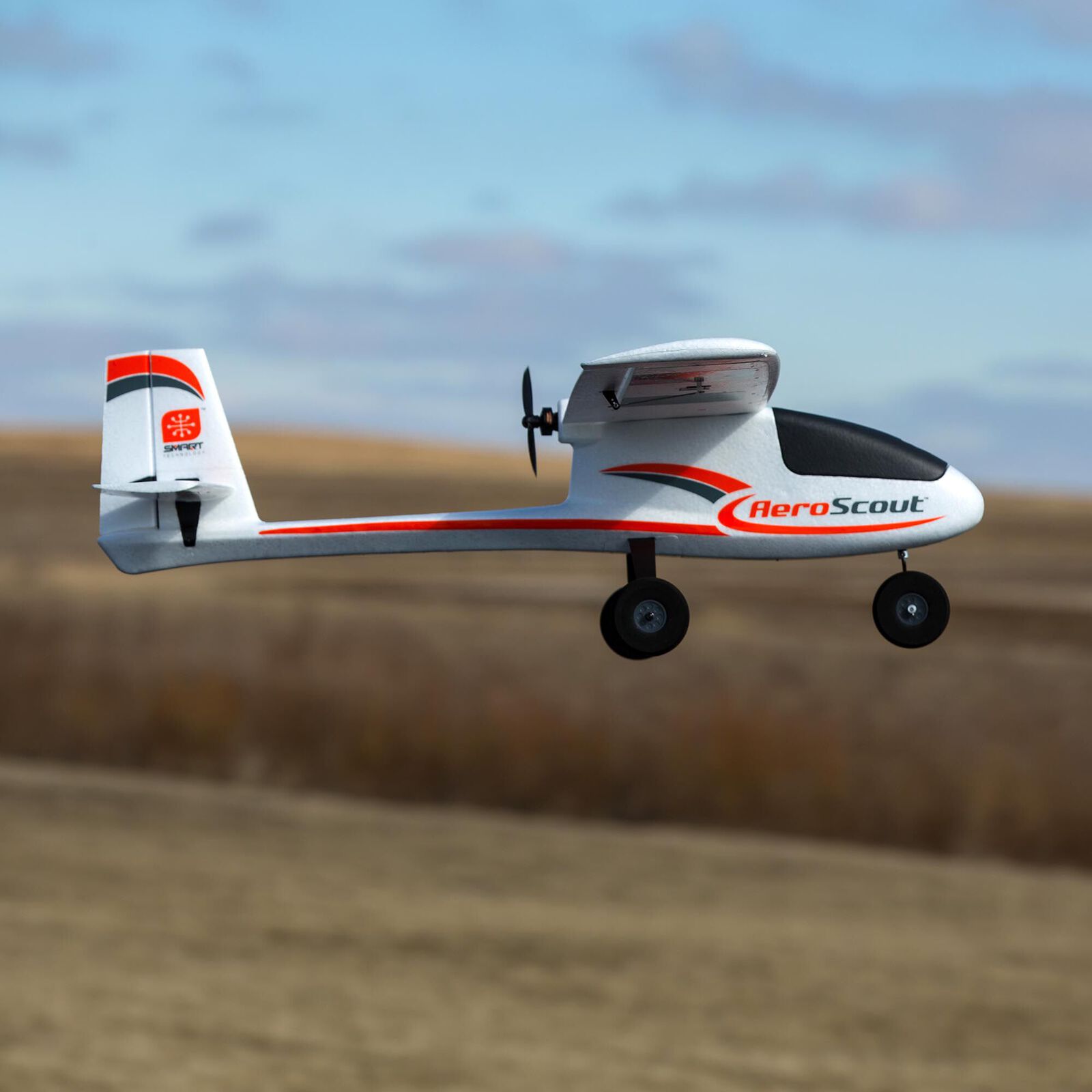
With instructor input, pick a stable high-wing or pusher-prop trainer, plus a simple radio and 2–3 batteries so you get plenty of stick time.

4
Buddy-Box & Solo

Fly on a buddy-box with an instructor until you’re comfortable. We’ll help you learn safe patterns, landings, and field etiquette on your way to solo.

Beginner Gear Shortlist

These are examples of the type of gear we recommend. Models change over time — talk with an instructor before you click “Buy Now.”

Frequently Asked Questions

New pilots usually ask the same core questions about cost, safety, and how long it takes to fly solo.

How much does it cost to get started?
You can enter the hobby for as little as $65 with basic toy-class RC planes that include gyro stabilization, or spend up to around $330 for durable beginner-friendly trainers. A full starter kit — plane, batteries, charger, and radio — typically runs between $120 and $500+ depending on quality and features.
How do RC planes work?
Your transmitter sends radio signals to a receiver onboard the aircraft. The receiver drives servos for control surfaces and works with an ESC to manage motor power. Many modern models include stabilization/gyro systems to smooth turbulence and inputs.
Are they dangerous?
RC aircraft are safe when flown responsibly. We follow AMA safety practices, use designated flying areas, and coach new pilots on safe procedures. Beginner models are often foam and fly at modest speeds, with stabilization to help prevent accidents.
How do I learn to fly?
A combination of simulator practice and hands-on instruction is best: build muscle memory on a simulator, then fly at the field on a buddy-box with an instructor until you’re comfortable with patterns, approaches, and landings.
Do I have to build my own model?
No. Many new pilots start with Ready-to-Fly (RTF) or Almost-Ready-to-Fly (ARF) models that require minimal assembly. Building from kits or plans is something you can explore later if you enjoy tinkering.
How fast do they fly?
Beginner RC planes typically cruise around 15–40 mph. More advanced sport models can exceed 120 mph. We’ll help match your first airplane to a friendly speed range so you have time to react and learn.
How big are they?
A typical trainer spans about 0.8–1.3 meters (2.5–4 feet) and fits in most vehicles. Larger models can exceed 2 meters in wingspan and are better suited to experienced pilots.
How long until I can fly solo?
With regular practice, many pilots can fly solo after 4–6 club sessions — especially with simulator time between visits. Everyone learns at a different pace; instructors stay on the buddy-box as long as needed.

Ready to take the next step?

Reach out to our officers and we’ll help you plan your first visit, simulator setup, or trainer purchase.